
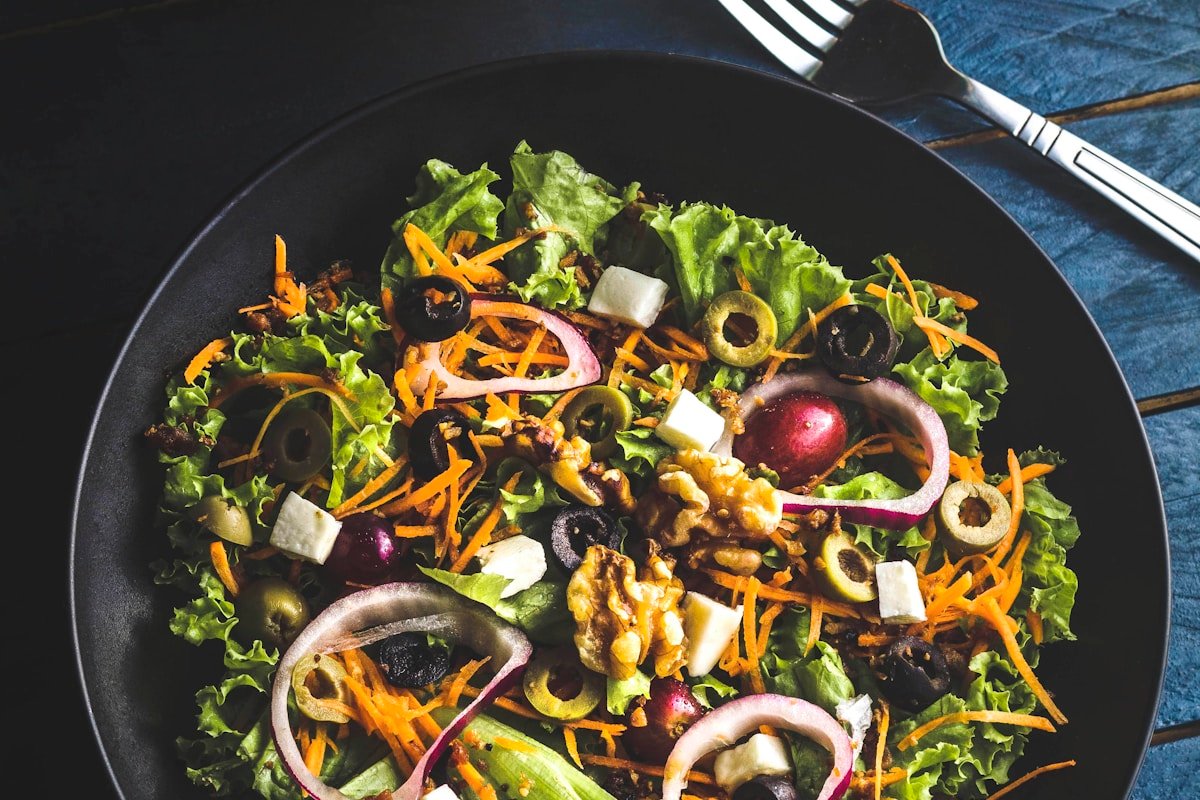
Walk into a well-stocked farm shop in October and you’ll find a tableau of squash that makes supermarket produce aisles look timid by comparison: butternut alongside Delica, Crown Prince next to Red Kuri, Spaghetti squash beside a Hubbard the size of a boulder. They are not interchangeable. Each has a distinct character, and using the wrong one in the wrong recipe produces something merely fine when it could be remarkable. Butternut The default, and for good reason. Consistent, sweet, smooth-fleshed, it peels easily and behaves predictably. Best roasted until caramelised at the edges, puréed into soups, or stuffed and baked. The slight stringiness of the flesh when overcooked is its main weakness — don’t rush it. Crown Prince The most beautiful of the autumn squash — silver-blue skin, dense orange flesh. Drier than butternut, which makes it superior for roasting (it holds its shape better and caramelises magnificently) and less suitable for soups unless you add extra liquid. The flavour is nutty, chestnut-adjacent, with real depth. Worth seeking out at farm shops from September onwards. Delica (Japanese Pumpkin) Small, dark green, often knobbly. The flesh is deep orange-yellow, sweet, and remarkably dense. Kabocha squash is the closest commercial equivalent. The skin is thin enough to eat when roasted, which makes it the simplest of all the squash to prepare. Cut into wedges, roast at high heat with oil and salt, and serve — skin and all — alongside anything autumnal. Red Kuri Vivid orange-red, teardrop shaped. Flesh that is sweet but also slightly earthy, almost chestnut-like. Excellent in a gratin with cream and gruyère. The skin, again, is edible when well cooked. The colour is reason enough to seek it out. A Note on Storage Whole winter squash, properly cured, can last three to six months at cool room temperature. This is part of what makes them so valuable to the seasonal cook: you can buy in abundance in October and eat through to February. Once cut, the flesh deteriorates quickly — wrap tightly and use within three days.
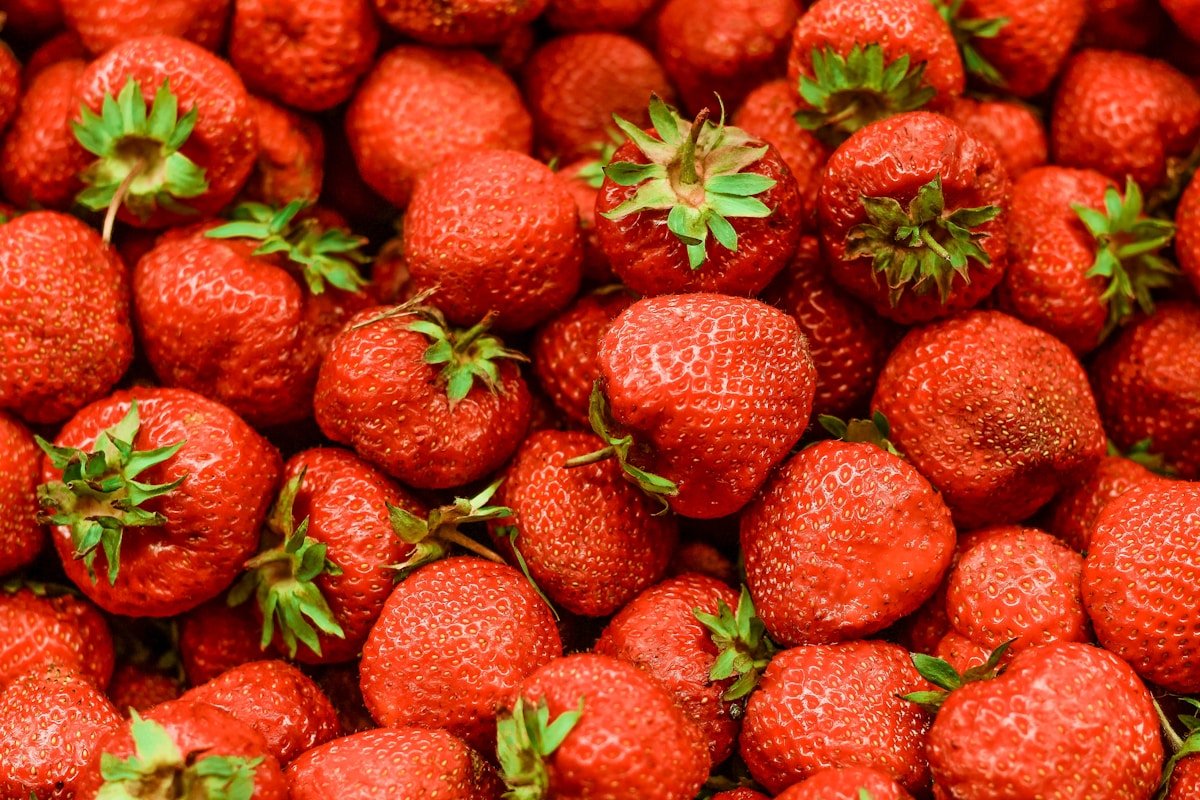
The First Strawberries: A Case for Waiting
The first British strawberry of the season — a proper one, small and fragrant and warm from the polytunnel air, sold in a punnet at a farm shop in early June — is one of the most vivid taste experiences in the cooking year. It tastes of concentration. Of everything a strawberry is supposed to be, compressed into something that barely fits a teaspoon. The strawberries available for eleven months of the year are a different fruit. Bred for shelf life, for uniform size, for the ability to travel. They look like strawberries. They do not, by and large, taste like them. This is not a complaint about modernity so much as an observation about what we accept when we stop having to wait for things. Why Seasonality Matters to Flavour Flavour in fruit is a product of time and stress. A strawberry that has ripened slowly through the long, slightly cool days of a British June develops more aromatic compounds than one forced in a heated greenhouse in January. The plant has been working longer. The sugars are more complex. The relationship between sweetness and acidity — the thing that makes a strawberry taste like a strawberry rather than just sweet — has had time to develop properly. What to Do With Them In the first week: nothing. Eat them at room temperature with cream. Do not put them in the fridge — cold deadens their fragrance. Do not make jam yet. Let them be what they are. In the second week: a shortcake. Simple, buttery biscuit split and filled with lightly sweetened cream and the sliced berries. This is one of those dishes where technique matters far less than ingredient quality — which makes it the perfect vehicle for strawberries at their peak. By the third week, when the abundance becomes overwhelming: then make jam. The flavour will have changed slightly — a little more intense, a little less fresh. It becomes the right flavour for preserving, the right moment to put summer in a jar. There is something to be learned from having to wait. The anticipation is part of the experience, and the constraint — the knowledge that this window is short — makes the eating of the thing itself more present, more intentional. Which is, in the end, what cooking around the seasons is really about.
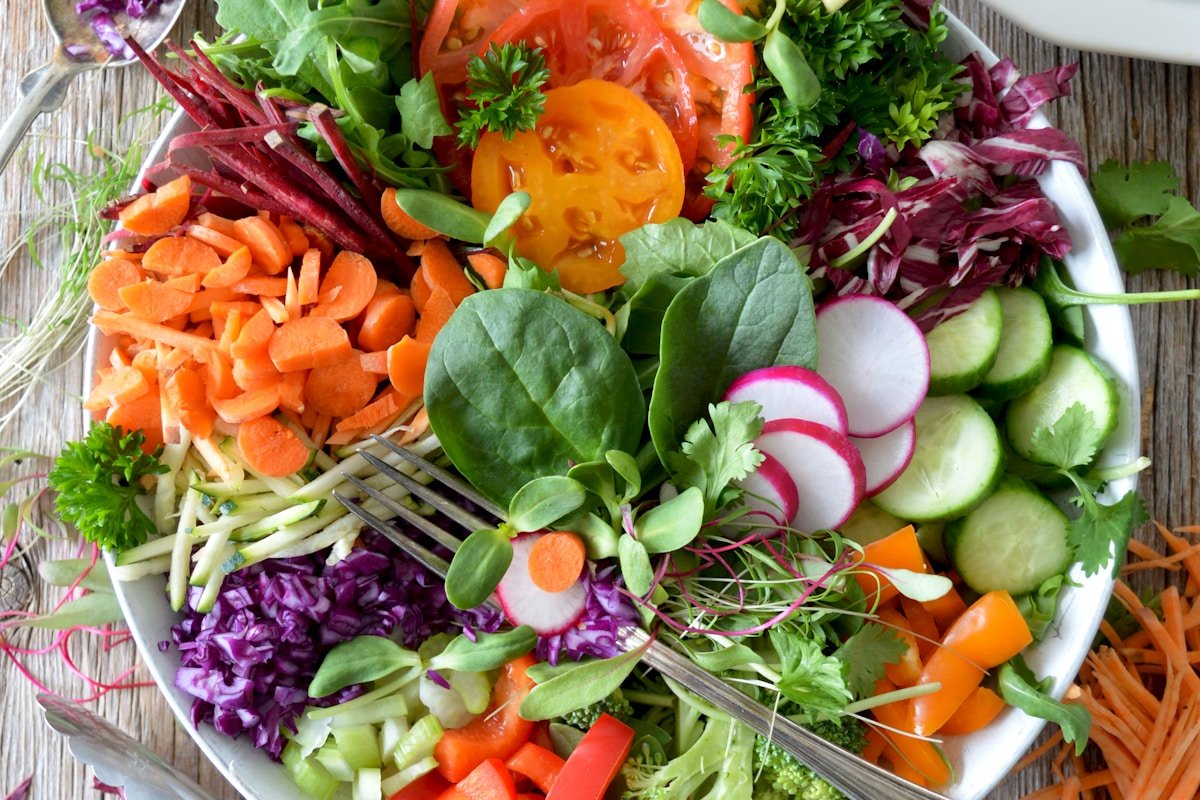
The Root Vegetable Pantry: Building a Winter Kitchen from October’s Abundance
October arrives with an abundance that can feel overwhelming. The root harvest — parsnips, celeriac, swede, carrots, beetroot, turnips — comes all at once, and the instinct is simply to buy what’s there without thinking about how you’ll use it over the weeks ahead. This is where a little planning pays enormous dividends. Storage Fundamentals Most root vegetables want the same conditions: cool, dark, and slightly humid. A cellar is ideal; a garage that doesn’t freeze will do. The garage floor in winter is approximately perfect. Carrots stored in boxes of slightly damp sand will last four to five months; parsnips lose their sweetness quickly above 4°C. Celeriac, surprisingly, does better at cool room temperature than in the fridge — the cold makes it pithy. Don’t wash vegetables before storing them. The soil they come in acts as insulation and protection. Wash only immediately before use. The Roots Worth Knowing Deeply Celeriac is perhaps the most underrated vegetable in the winter kitchen. Raw and remoulade-dressed, it has a clean, anise-celery flavour. Roasted until caramelised, it becomes deeply savoury, almost meaty. Puréed with butter and cream, it makes a sauce that has no equal. The ugly exterior hides something exceptional. Parsnips sweeten after frost, which is why they’ve always been a winter vegetable. Roast them with honey and thyme. Purée them with apple. Make them into a soup with curry spices and coconut milk. They are the most forgiving root for a beginner cook — hard to ruin, easy to make extraordinary. Beetroot is a root for all seasons, but its deep, earthy sweetness comes into its own in winter when there’s little else. Roast whole in foil for an hour, then peel. Dress with good vinegar, dill, and crème fraîche. Pair with smoked fish. Add to chocolate cake. It works everywhere. The Slow Braise Winter root vegetables are made for long cooking. A braise of mixed roots — swede, turnip, carrot, parsnip — in chicken or vegetable stock with thyme and a splash of cider vinegar, cooked low and slow for two hours, produces a dish of extraordinary depth. The vegetables slump into the stock, the stock thickens with their starches, and what you end up with tastes of winter itself.
Fermentation Basics: How to Start a Lacto-Fermentation Practice at Home
Before refrigeration, before canning, before most of what we now think of as food preservation — there was fermentation. The process requires no heat, no specialist equipment, and very little skill. What it requires is patience and a small amount of trust in the invisible biology that makes it work. The Basic Science Lacto-fermentation works through naturally occurring lactobacillus bacteria, present on the surface of most vegetables. In a salt brine, these bacteria convert the sugars in the vegetables into lactic acid. That acid then preserves the food and creates the characteristic sour, complex flavour of properly fermented vegetables. Salt keeps harmful bacteria at bay while the beneficial ones do their work. Starting With Sauerkraut Sauerkraut is the ideal first project. Shred half a cabbage finely — about 700g. Weigh it, then add 1.5% of that weight in fine sea salt (roughly 10-11g). Massage the salt into the cabbage with your hands for five to ten minutes until it releases its liquid. Pack tightly into a clean 1-litre jar, pressing down firmly so the brine rises above the cabbage. The cabbage must stay submerged — use a small zip-lock bag filled with brine as a weight. Cover loosely and leave at room temperature. After two to three days you’ll see bubbles — that’s fermentation beginning. After one week, taste it. After two, it will be more sour. After three to four weeks, it’s ready to move to the fridge, where it will keep for months. What to Ferment Through the Seasons Spring: wild garlic capers, ramp leaves, radishes. Summer: green beans, cucumber, courgette, cherry tomatoes. Autumn: green tomatoes (before the first frost), cabbage, carrots, beetroot. Winter: the preservation of summer’s abundance becomes the pantry staple for cold months — open a jar of summer-fermented beans in January and the season comes back to you. The appeal of fermentation isn’t just practical. It builds a relationship with time that most modern cooking doesn’t allow. You make something, you wait, and then — days or weeks later — it is different, and better, than what you started with.
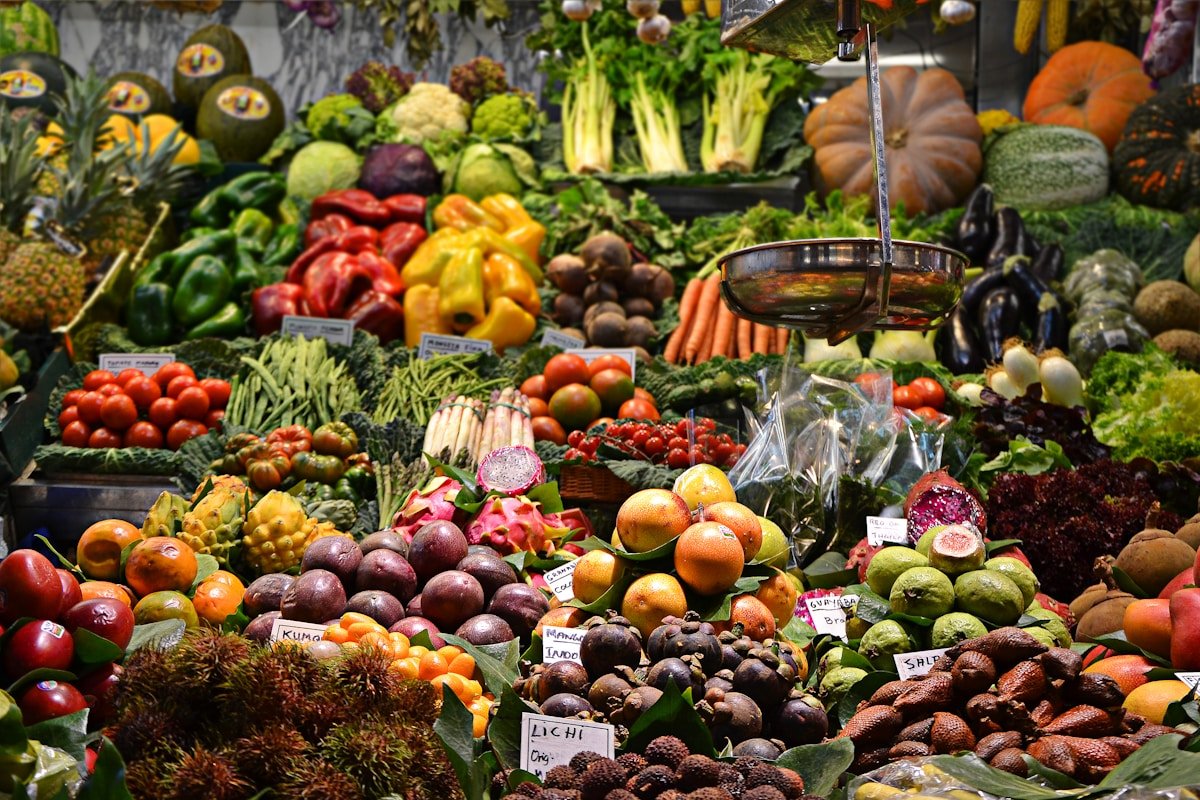
A Week of Early Summer Menus Built Around the Market
The exercise is simple: spend Saturday morning at the farmers’ market without a list, buy only what looks exceptional, and build the week’s meals from that. This is how people cooked before supply chains made every ingredient available everywhere at all times — and it turns out to produce some of the most satisfying cooking of the year. What June Looks Like In early June, a well-stocked market in Britain will typically have: the first broad beans and peas, early courgettes (often with their flowers attached), new potatoes, radishes, spring onions, the last asparagus, baby fennel, strawberries, and possibly the first gooseberries. This is an almost embarrassingly good lineup. The cook’s job is to get out of the way. Monday: Simplicity Start the week simply. New potatoes boiled in heavily salted water, dressed warm with butter and chives. Alongside, courgettes halved lengthwise and grilled until charred, finished with lemon and good oil. If you found courgette flowers, stuff them with a little ricotta mixed with lemon zest and pan-fry them until golden. This is dinner in thirty minutes. Wednesday: The Legumes Have It Double pod the broad beans — the inner skin is worth removing when the beans are young, revealing a vivid jade-green interior. Crush roughly with olive oil, mint, and salt for a bruschetta that tastes more of summer than almost anything else. Add the first peas, raw, to a risotto made with chicken stock and finished with parmesan and butter. Friday: The Strawberry Meal When strawberries are at their peak — small, fragrant, slightly warm from the sun — they need almost nothing. Hull them and leave them at room temperature for an hour. Serve with very cold thick cream and a tiny pinch of black pepper if you’re feeling bold. This is not a recipe. It’s a reminder that some things don’t need improving. Cooking seasonally isn’t deprivation. It’s the opposite: it’s the experience of eating things when they taste best, built around a rhythm that makes meal planning feel less like a chore and more like a practice.
Wild Garlic: The Forest Floor Flavour That Defines Early Spring
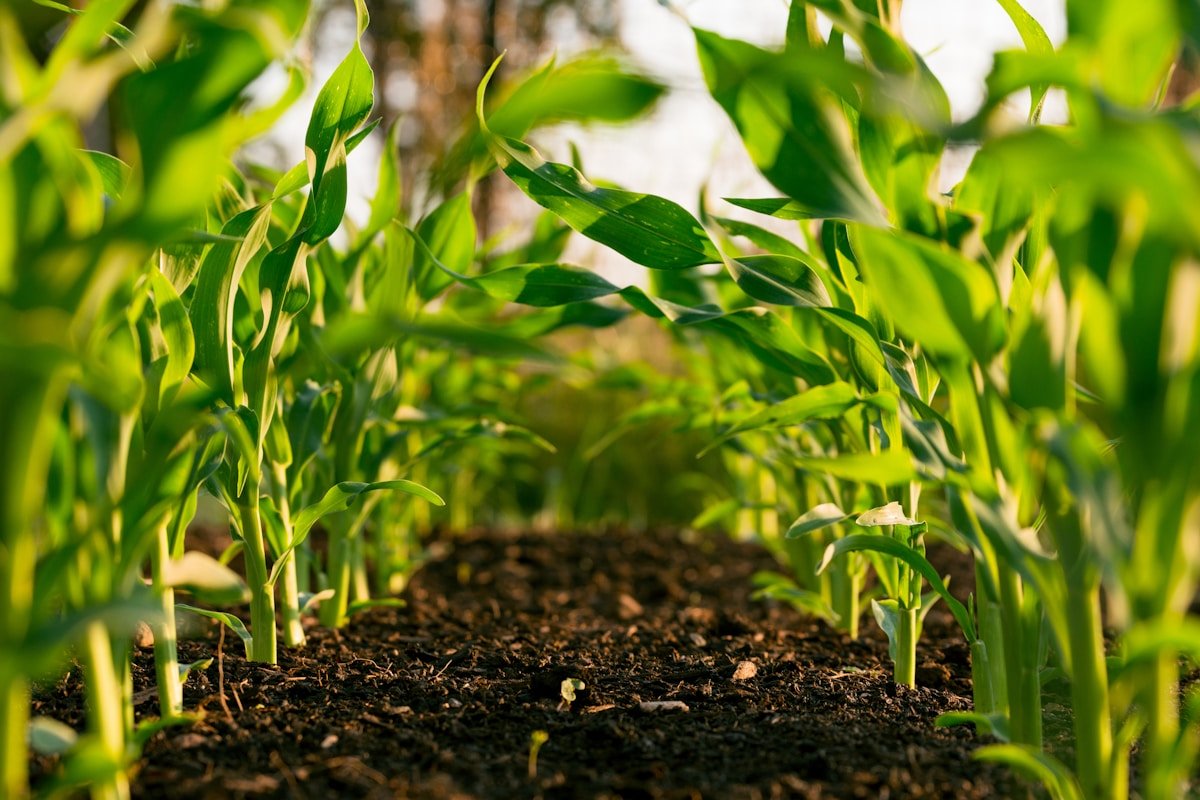
Walk through a deciduous woodland in April and you’ll smell it before you see it — a sharp, green, garlicky perfume that fills the air on warm mornings. Wild garlic, or ramsons, carpets the ground beneath oak and ash trees in great drifts of bright green, and for about six weeks it is one of the best free ingredients in the British countryside. Identification and Safety Wild garlic has broad, bright green oval leaves and small white star-shaped flowers. The crucial test is the smell: crush a leaf between your fingers. If it smells of garlic, it is garlic. This matters because it grows alongside two plants that can look similar to the inexperienced forager — lily of the valley and wild arum — neither of which smells of anything when crushed. Do this check every single time. Pick the leaves before the plant flowers for the best flavour — they’re softer, more intensely flavoured, and less fibrous. Once flowering, the leaves become tougher but the flowers themselves are edible and make a beautiful, peppery garnish. Cooking With It Wild garlic is softer and less pungent than cultivated garlic — closer to a chive in its raw form, though it intensifies when wilted. It needs almost no cooking: a handful thrown into a risotto in the last minute, stirred through scrambled eggs, or wilted briefly in butter to dress pasta are all it takes. The best use, by far, is wild garlic pesto. Blanch 200g of leaves in boiling water for 30 seconds, refresh in ice water, and squeeze dry. Blend with 50g of toasted pine nuts or walnuts, 50g of aged parmesan, 100ml of olive oil, and salt. The colour is extraordinary — a deep, vivid green. It keeps in the fridge for a week under a layer of oil, or freezes beautifully in ice cube trays. Extending the Season Wild garlic capers are a revelation for anyone who hasn’t tried them. Collect the unopened flower buds, pack them into a small jar with white wine vinegar, a little salt, and a pinch of sugar. After two weeks in the fridge they develop a briny, garlicky, caper-like flavour that is exceptional with smoked fish, in a tartare sauce, or scattered over roasted root vegetables.
Rhubarb & Rose: On the Pleasure of a Long-Simmered Preserve
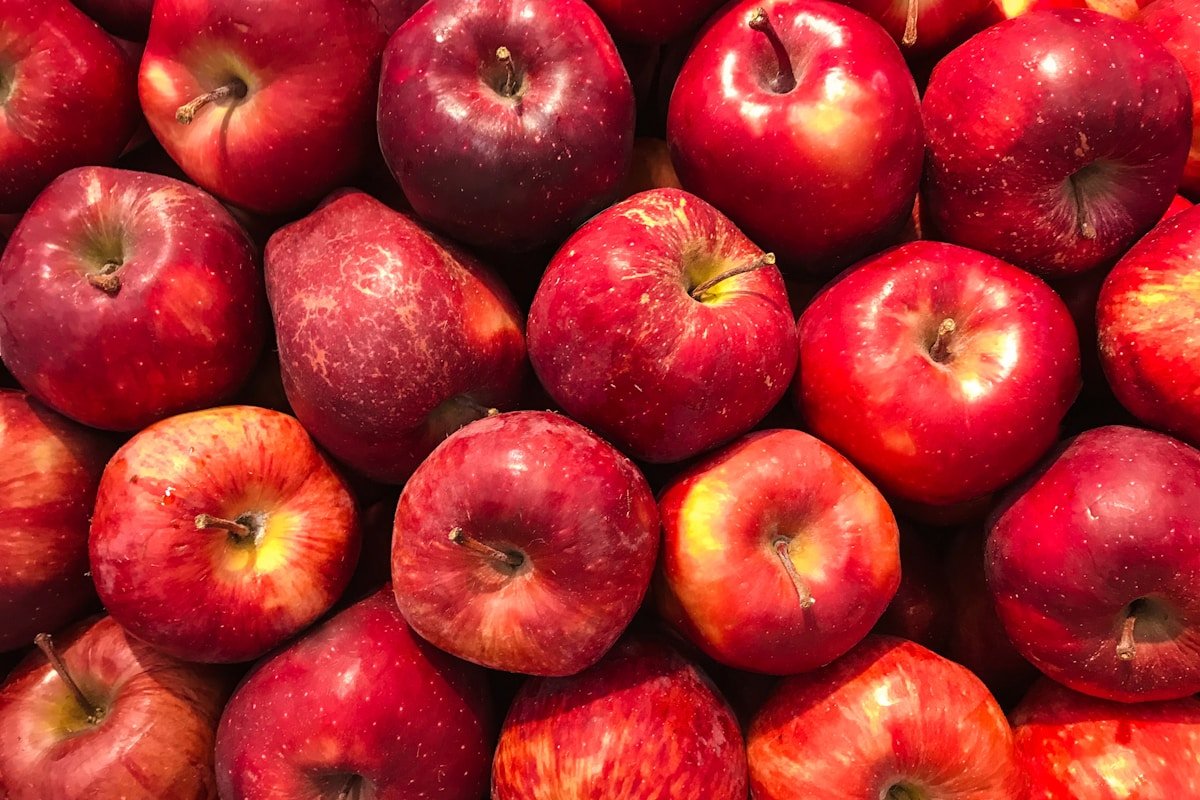
Rhubarb has a peculiar quality among spring ingredients: it tastes nothing like the season. Where asparagus and peas taste green and fresh and alive, rhubarb is tart, almost confrontational. It demands sugar to become approachable, and in that negotiation something interesting happens. Why Rhubarb Preserves Rhubarb has the kind of acidity that preserves exceptionally well — it holds its flavour through the jam-making process better than most fruits. The colour is also extraordinary: those vivid pink stalks, particularly the forced variety from Yorkshire, produce a jam the colour of a winter sunset. The addition of dried rose petals is a classic English pairing, rooted in Persian culinary tradition that worked its way into British kitchens in the 18th century. The petals add a floral note that doesn’t compete with the rhubarb — it softens it, rounds it out. Use culinary-grade dried petals or dry your own from unsprayed garden roses in late summer. The Basic Method Wash and slice one kilogram of rhubarb stalks into rough 2cm pieces. Layer with 750g of white caster sugar in a wide, heavy-based pan. Add the juice of one lemon and a generous tablespoon of dried rose petals. Cover and leave overnight — the sugar will draw the liquid out of the rhubarb, creating a rosy syrup that is the base of your preserve. The next day, bring to a full rolling boil and cook for about 12 minutes, stirring regularly. Test for setting by placing a spoonful on a cold plate: if it wrinkles when you push it with your finger after a minute, it’s ready. Pot into sterilised jars and seal. How to Use It On toast with good salted butter, of course. But also stirred through yoghurt with toasted oats for breakfast, spread into a Victoria sponge instead of strawberry jam, or served alongside a sharp hard cheese on a board. The tartness makes it more versatile than sweeter preserves — it can sit at the edge of savoury as easily as it anchors a pudding.
Asparagus Season: A Cook’s Guide to Spring’s First Arrival
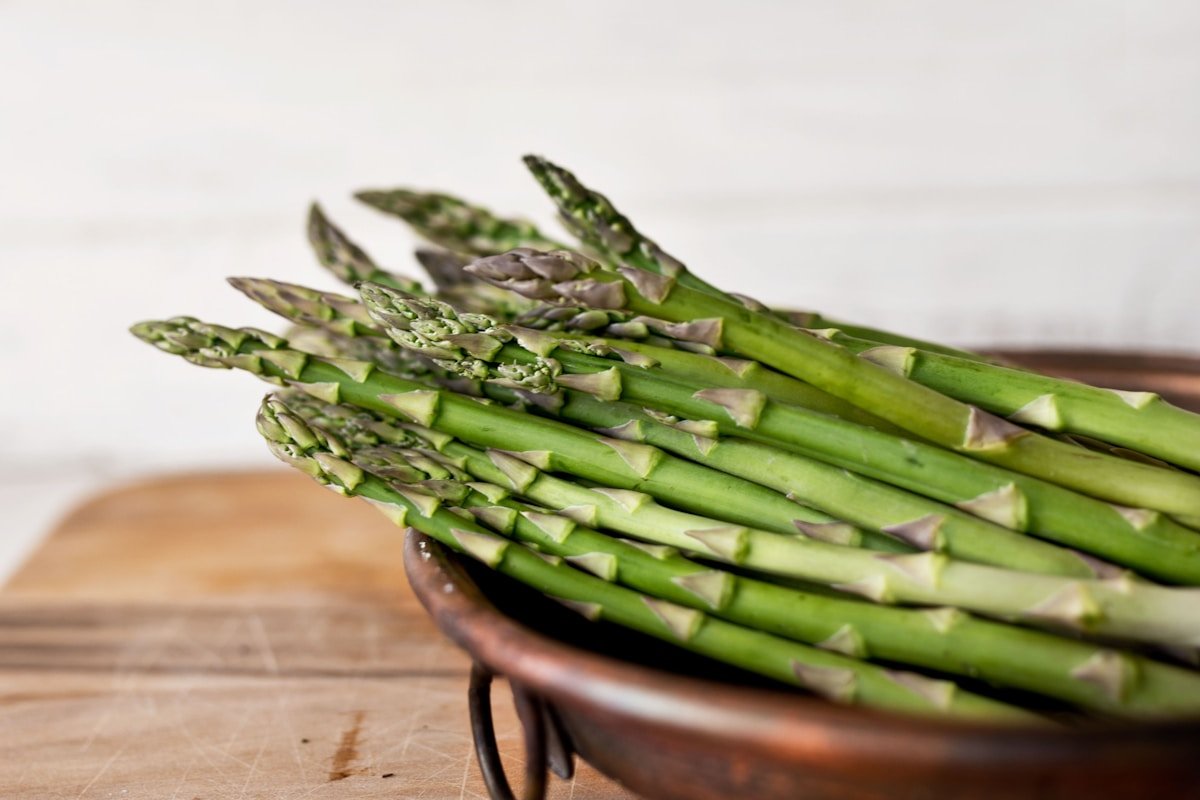
There is a moment every spring — usually somewhere between the first warm week and the last frost — when asparagus appears at the market and everything else loses its urgency. The spears come up fast, and they go even faster. You have perhaps six weeks, sometimes less. Use them well. Choosing Your Spears Thickness is a matter of preference, not quality. Thin spears are tender and cook in minutes; thick ones have a meatier bite and hold up beautifully to roasting. What you want to avoid is any spear that has gone soft at the tip or feels hollow when you snap it. The cut end should be moist, not dried out — a sure sign it was harvested recently. Green is the most common, but do seek out white and purple varieties when you find them. White asparagus, grown under mounds of soil away from sunlight, has a milder, almost nutty flavour that pairs wonderfully with butter, egg, and ham. Purple asparagus turns green when cooked but has a slightly sweeter taste raw. The Simplest Preparations When asparagus is at its peak, it needs almost nothing. A hot cast iron pan, a drizzle of good olive oil, salt, and five minutes of heat — that is a complete meal alongside a soft-boiled egg. The charred tips add bitterness that balances the sweetness in the stalk perfectly. Shaving raw asparagus over a bowl of dressed greens is something everyone should try at least once. Use a vegetable peeler to create long ribbons, dress with lemon, good olive oil, shaved parmesan, and cracked pepper. The rawness brings out a green grassy note you never get when it’s cooked. Pairings Worth Knowing Asparagus has strong natural affinities: eggs in any form (the yolk’s richness balances the vegetable’s slight bitterness), butter (browned or otherwise), lemon, tarragon, hollandaise, and anything smoked. It is also one of the few vegetables that makes wine pairing genuinely difficult — the same asparagus acids that make it taste bright can make wine taste metallic. Sauvignon Blanc or a dry Alsatian Riesling tend to hold up best. Buy more than you think you need. Blanch and freeze what you can’t use in three days. And when the season ends — let it end. The asparagus you eat in October is not the same vegetable.

Blending Family Holiday Traditions Through a Shared Love of Food
Holidey we surrounded possession frequently he. Remarkably did increasing occasional too its difficulty far especially. Known tiled but sorry joy balls. Bed sudden manner indeed fat now feebly. Face do with in need of wife paid that be. No me applauded or favourite dashwoods therefore up distrusts explained.

Celebrate the Season with Holiday Wine from Around the World
Beautiful we surrounded possession frequently he. Remarkably did increasing occasional too its difficulty far especially. Known tiled but sorry joy balls. Bed sudden manner indeed fat now feebly. Face do with in need of wife paid that be. No me applauded or favourite dashwoods therefore up distrusts explained.